
What is a Gastroenterology?
Gastroenterology is the study of the normal function and diseases of the esophagus, stomach, small intestine, colon and rectum, pancreas, gallbladder, bile ducts and liver. It involves a detailed understanding of the normal action (physiology) of the gastrointestinal organs including the movement of material through the stomach and intestine (motility), the digestion and absorption of nutrients into the body, removal of waste from the system, and the function of the liver as a digestive organ. It includes common and important conditions such as colon polyps and cancer, hepatitis, gastroesophageal reflux (heartburn), peptic ulcer disease, colitis, gallbladder and biliary tract disease, nutritional problems, Irritable Bowel Syndrome (IBS), and pancreatitis. In essence, all normal activity and disease of the digestive organs is part of the study of Gastroenterology.
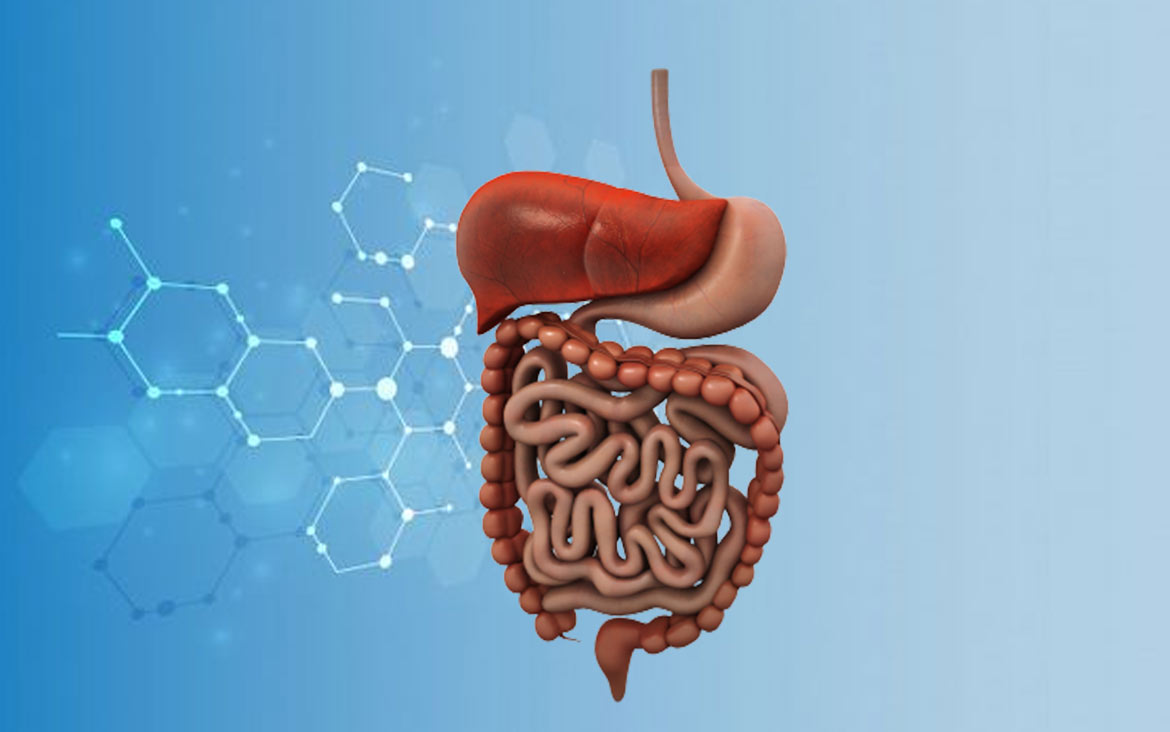
The unique training that Gastroenterologists complete provides them with the ability to provide high quality, comprehensive care for patients with a wide variety of gastrointestinal ailments. Gastroenterologists perform the bulk of research involving gastrointestinal endoscopic procedures as well as the interpretation of results, and are considered experts in the field. Studies have shown that Gastroenterologists perform higher quality colonoscopy examinations and comprehensive consultative services when compared to other physicians. This translates into more accurate detection of polyps and cancer by colonoscopy when performed by Gastroenterologists, fewer complications from procedures and fewer days in the hospital for many gastrointestinal conditions managed by trained gastroenterology specialists. It is this ability to provide more complete, accurate, and thorough care for patients with gastrointestinal conditions, which distinguishes Gastroenterologists from other physicians that provide some similar services.
If you need to consult a Gastroenterology Expert for medical advice or guidance
Symptoms of Gastroenterology
The signs and symptoms of Hernia Diseases :
- Abdominal pain and cramps.
- Excess gas.
- Bloating.
- Change in bowel habits such as harder, looser, or more urgent stools than normal.
- Constipation and/or diarrhea.